

How to Choose Tactical Boots
PAMPERO · Published 14 Feb 2026 · 6 min read
How to Choose Tactical Boots
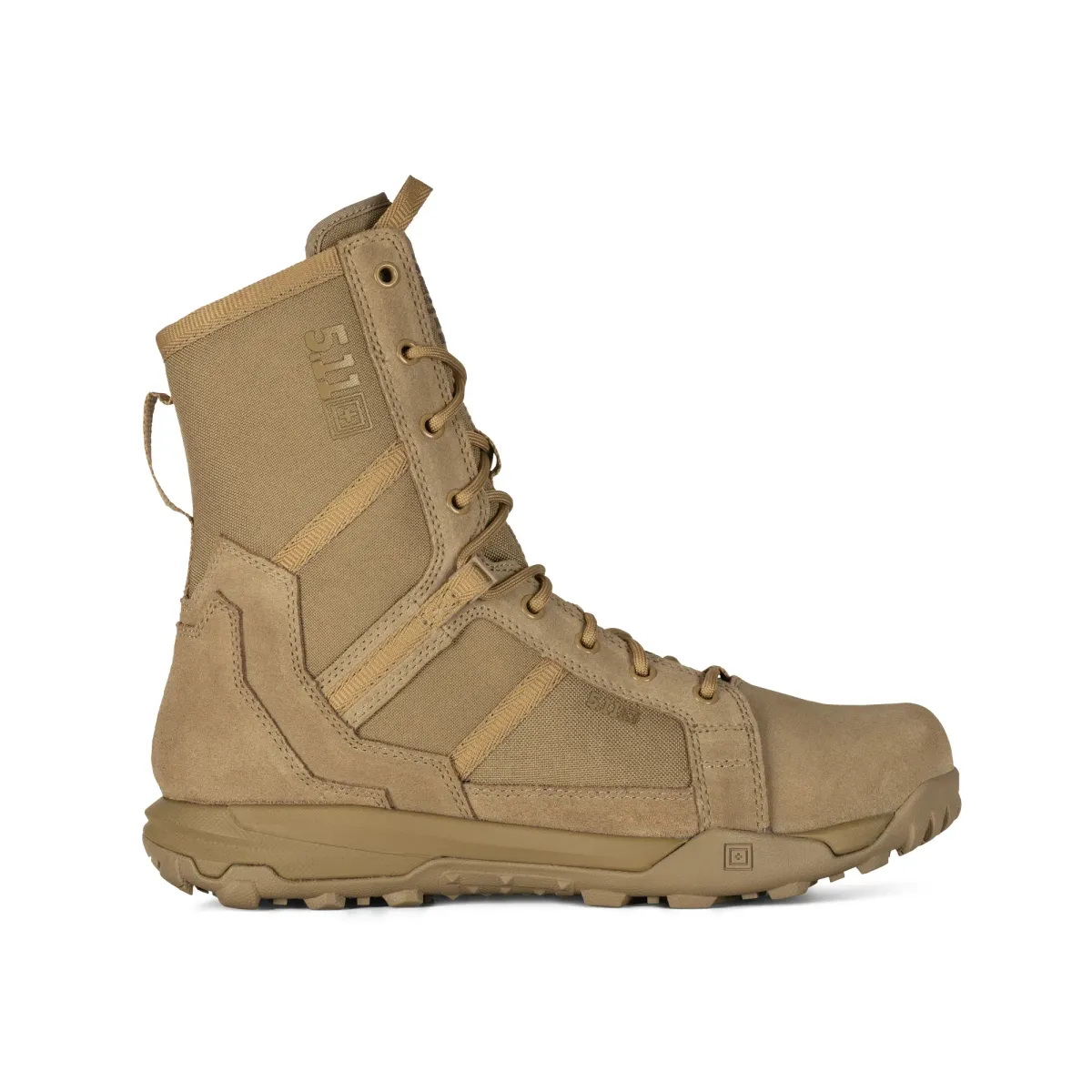
Tactical boots are among the most mission-critical pieces of gear you will ever buy. The wrong pair leads to blisters, ankle injuries, and degraded performance in the field. This guide walks through every factor you need to consider before making your purchase, whether you're outfitting boots on their own or building a complete kit alongside our tactical backpack loadout guide.
Ankle Support and Stability
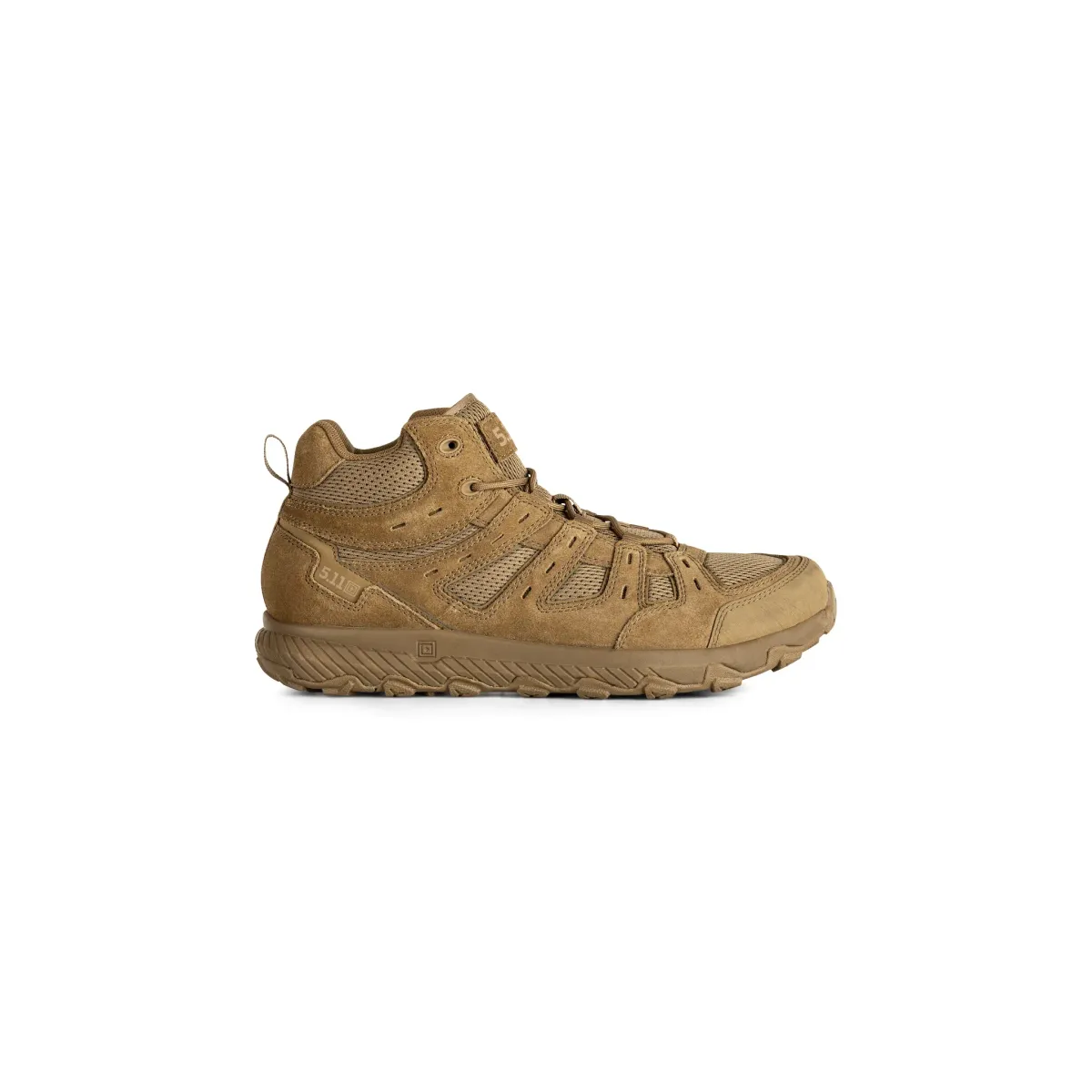
High-cut boots (8 to 10 cm above the ankle) provide superior ankle support on uneven terrain and are the gold standard for mountain operations and technical work. Mid-cut and low-cut designs, such as the 5.11 A/T™ Ranger Mid 2.0 or the A.T.A.C.® 2.0 Low, offer greater freedom of movement, making them better suited for vehicle operations, urban environments, and hotter climates where heat retention is a concern.
Waterproofing
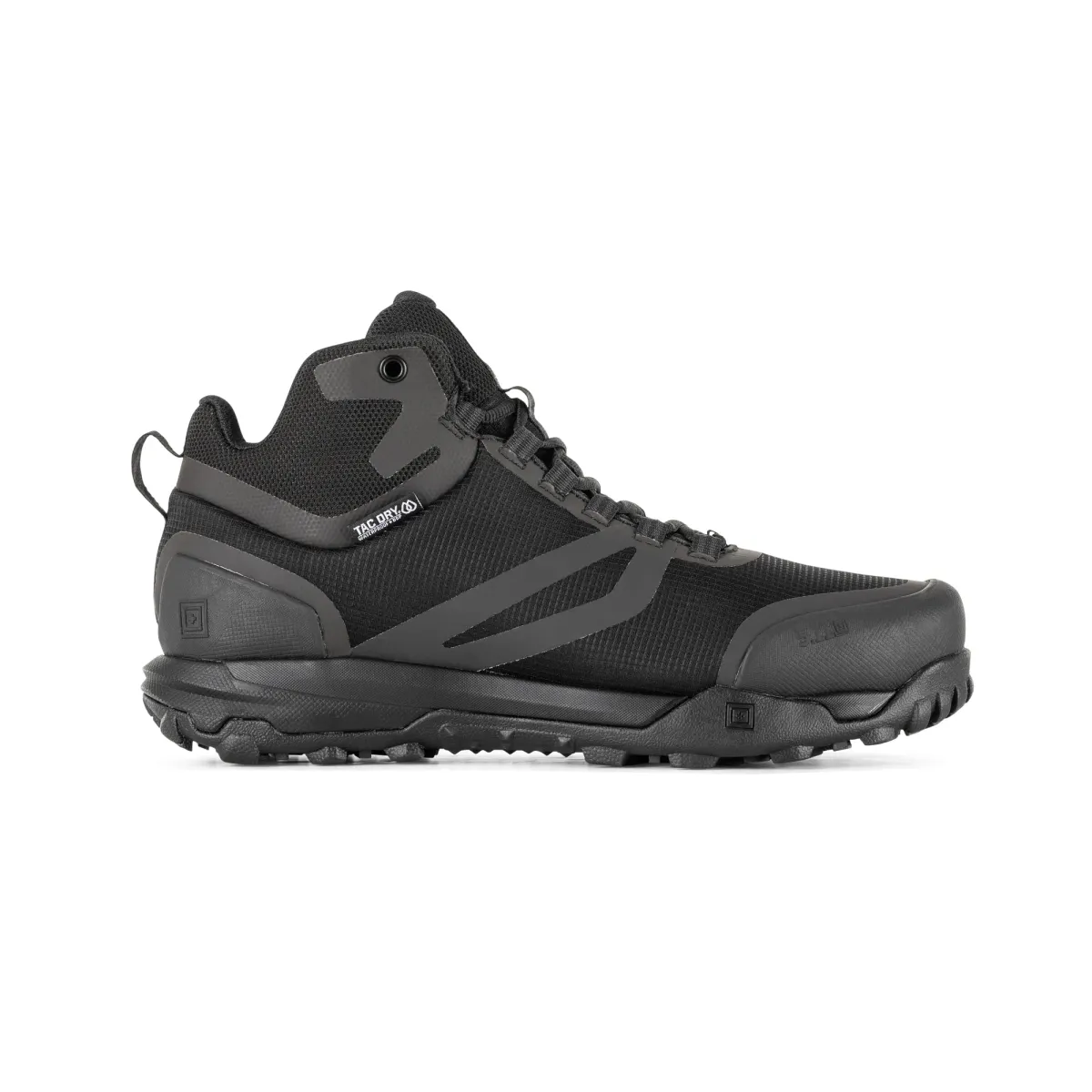
Gore-Tex and eVent membranes keep your feet dry during stream crossings and sustained rain, but they reduce breathability compared to non-membrane boots. If you operate predominantly in hot, dry conditions, breathable boots without a membrane will keep your feet cooler. For mixed conditions, a boot such as the 5.11® A/T™ Mid Waterproof Boot balances protection and airflow, and pairing it with the right clothing system matters just as much. Our guide to layering for cold weather conditions covers the base, mid, and outer layers that keep the rest of you dry too.
Outsole Traction
Vibram rubber outsoles deliver outstanding grip on rock, mud, and wet surfaces. Examine the lug pattern depth carefully: a shallow lug works on firm ground and pavement, while a deep, aggressive pattern grips soft terrain far better. For alpine use, a Vibram Montagna or Vibram Litebase with a structure compatible with crampon attachment is essential.
Lacing Systems
Traditional laces are secure but can snag on vegetation and equipment. Speed-lace hooks let you lace up and remove boots significantly faster, which matters after long marches when fine motor skills are impaired by fatigue. The most advanced option is a Boa closure system with micro-adjustable steel wire that provides even, one-handed pressure adjustment at any time.
Upper Materials
Full-grain leather: exceptional durability, abrasion resistance, and natural water repellence after conditioning. Heavier and requires a longer break-in period.
Split suede / nubuk: lighter than full-grain, acceptable durability, good ventilation. Requires regular waterproofing treatment.
Synthetic (Cordura, ballistic nylon): lightest option, quick drying, and needs no conditioning. Less durable than leather over extended hard use.
Fit and Comfort
Always try boots at the end of the day when your feet are slightly swollen, wearing the same socks you plan to use in the field. Your foot should slide forward 5 to 8 mm when you push it, and your toes must not touch the toe box. The heel must stay firmly seated with no lift during your walk. Heel slip is the primary cause of blisters on long marches.
Recommended Models
The AKU Pilgrim GTX Combat is NATO EN 15090:2012 certified with a Gore-Tex Surround membrane and full-grain leather upper. Purpose-built for operational use in mixed weather conditions.
The 5.11 ATAC 2.0 delivers outstanding value for daily tactical use. A 1000D Cordura upper with the 5.11 Ortholite+ footbed makes it light enough for extended wear while remaining highly durable. Both models sit within our full tactical boots range, alongside options at other heights and price points.
Maintenance
Proper care extends boot life and preserves waterproofing:
- After each field use, remove mud immediately with a damp cloth.
- Dry at room temperature, never on a direct heat source.
- Apply waterproofing spray or wax (for leather models) every 3 to 4 uses.
- Inspect stitching monthly and replace laces before they fail completely.
The right tactical boot will last years. Time invested in research and proper selection always pays off in the field.
Related articles
Published 5 Apr 2026 · 6 min read
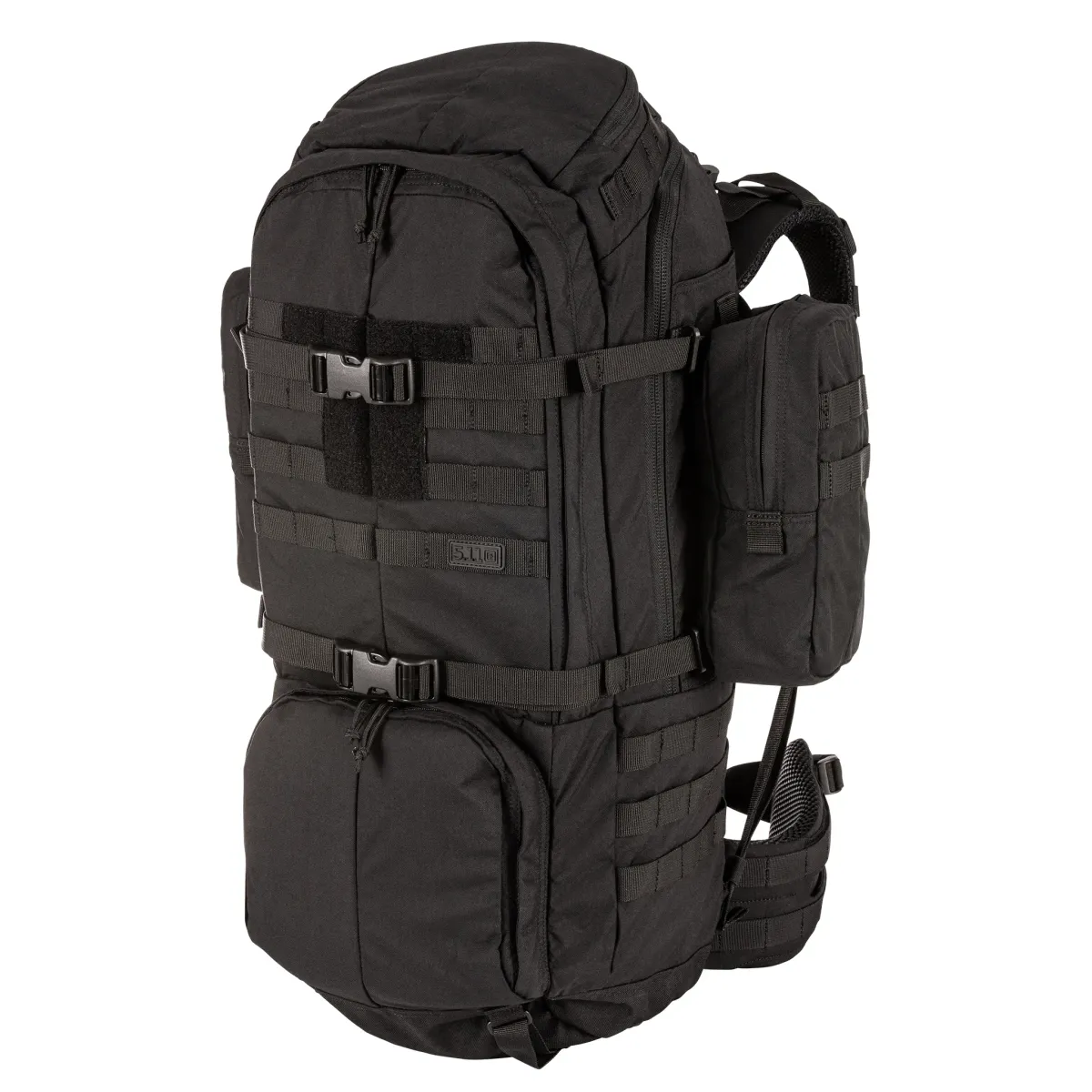
Tactical Backpack Loadout Guide
Kit organisation principles for the tactical backpack: the three-zone weight system, MOLLE attachment rules, weight budgeting, waterproofing, and a field-ready pre-departure checklist.
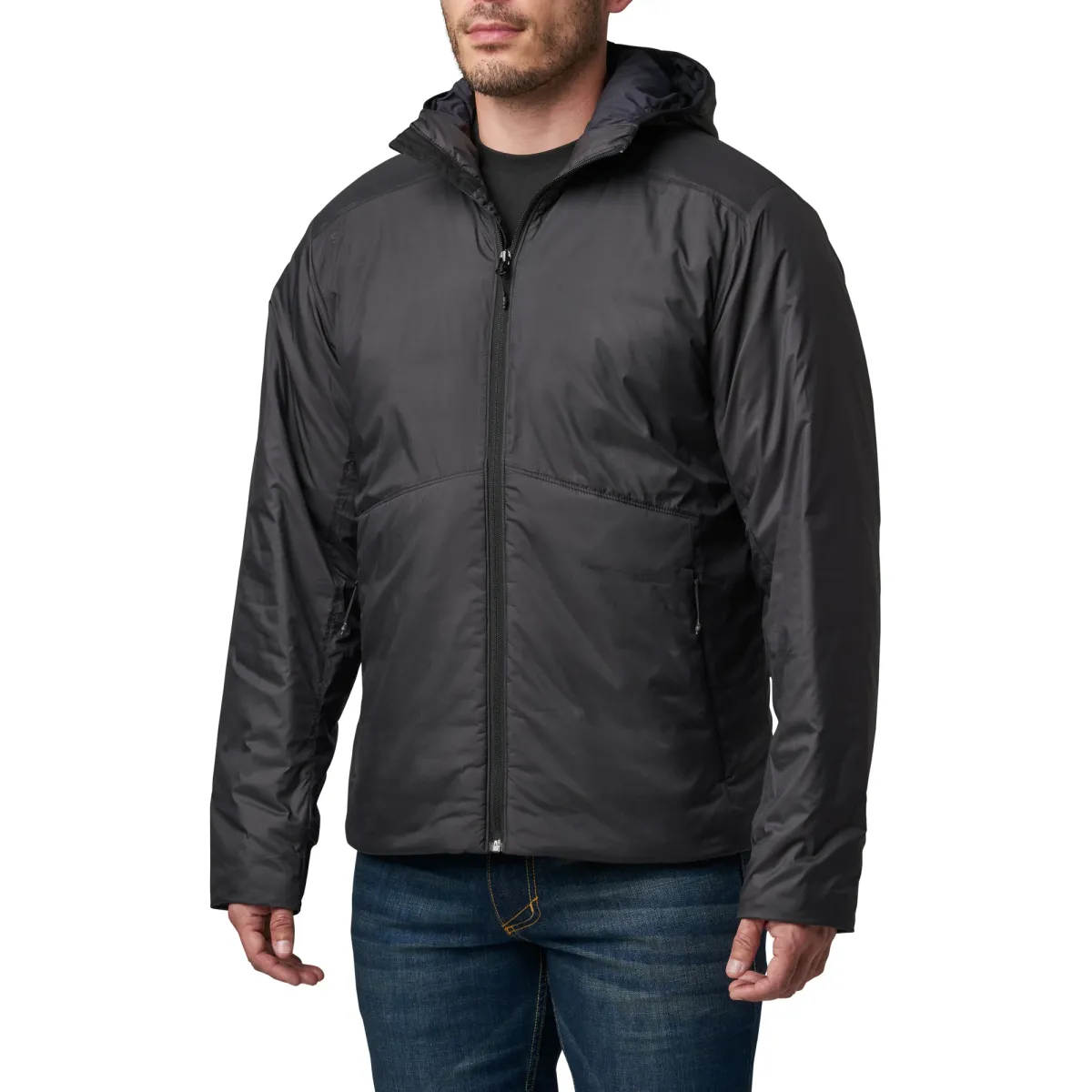
Published 10 Mar 2026 · 7 min read
Layering for Cold Weather Conditions
Master the three-layer system for cold weather operations: a moisture-wicking base, an insulating mid layer, and a wind- and rain-blocking outer shell — with concrete recommendations for tactical use.