

Tactical Backpack Loadout Guide
PAMPERO · Published 5 Apr 2026 · 6 min read
Tactical Backpack Loadout Guide
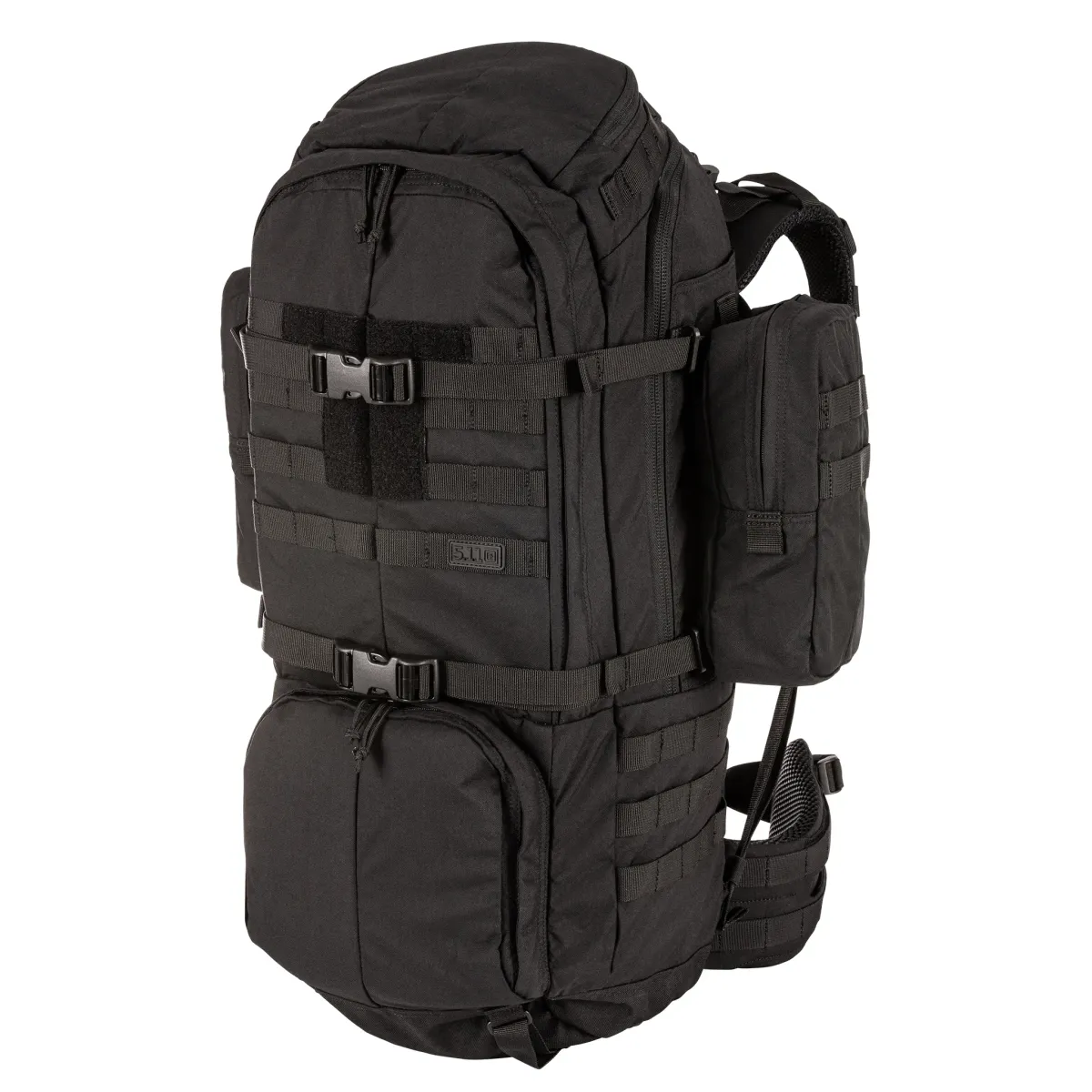
Packing a tactical backpack correctly is the difference between an effective operator and one digging through their pack under pressure. This guide covers the principles of kit organisation for 24-hour missions and shorter patrol loads.
Prioritisation Principles
Every item in your pack must justify its presence and have a defined location. Before packing, divide all kit into three categories:
- Critical (always accessible): water, first aid, navigation, communication
- Active (frequent use): food, clothing layers, shelter
- Reserve (infrequent use): spare ammunition, repair tools, backup power
Zone 1: Pack Bottom
The bottom zone is for the heaviest items you will not need while moving, such as your sleeping bag, spare clothing layers packed in a dry bag, a groundsheet, and a stove. Heavy items at the bottom help keep the centre of gravity low and close to the body.
Zone 2: Main Compartment
This holds what you use during the day: rations, a thermos, spare socks, and a pair of tactical gloves. If you run a hydration system, the reservoir goes in the dedicated sleeve at the back of the main compartment, immediately behind your heaviest kit.
Zone 3: Top Lid
The lightest items that need immediate access: map, compass, sunglasses, snack bar, phone. Retrieval time from this zone should be under five seconds without removing the pack from your back.
MOLLE Integration
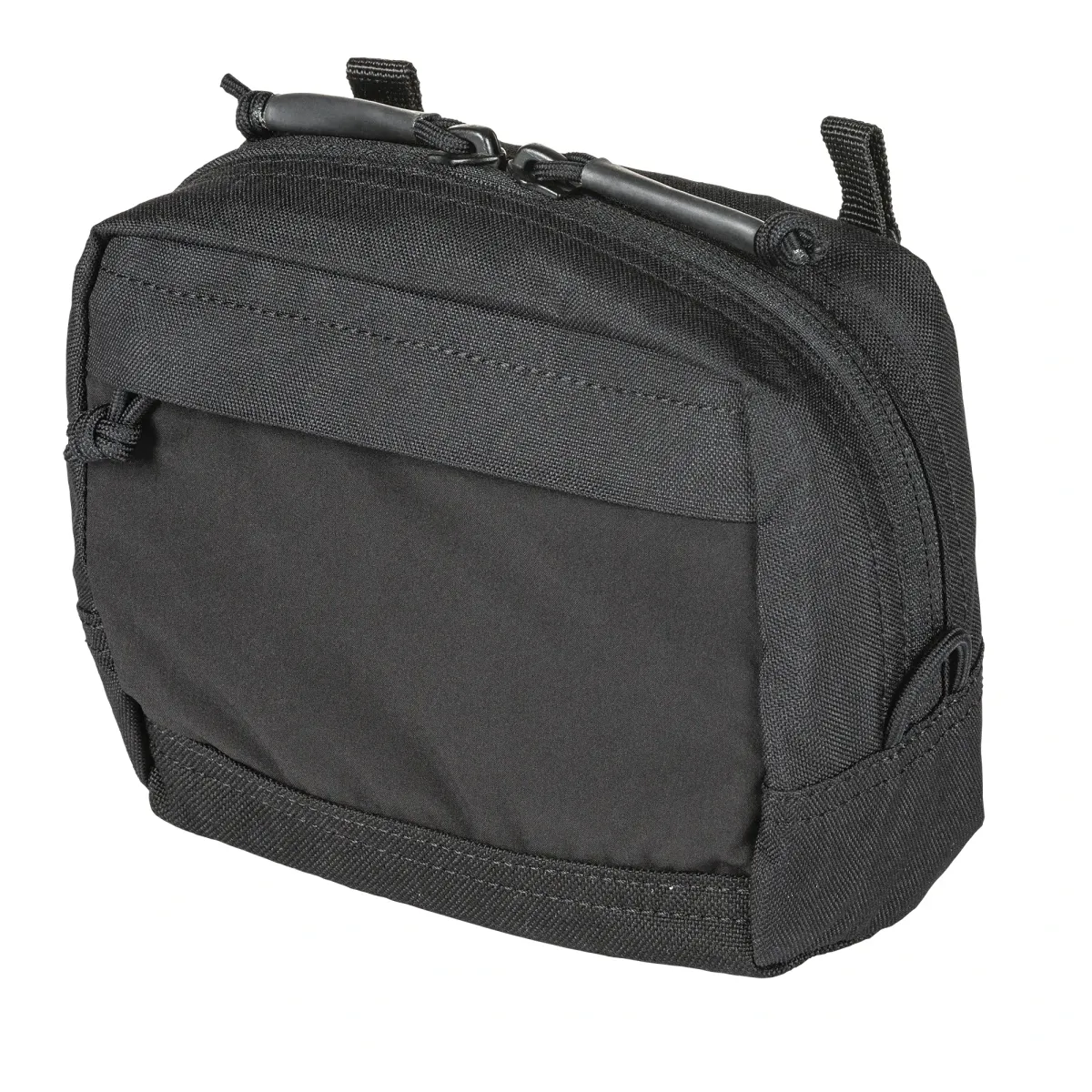
Modern tactical packs use MOLLE webbing (Modular Lightweight Load-carrying Equipment) to mount pouches, holsters, and carriers on the exterior. MOLLE attachment principles:
- Heavier pouches (ammunition, tools) on the sides, below shoulder height
- Easily accessible kit (first aid, rain cover) on the front panel
- Never obstruct access to the emergency grab handle
Weight Management
For a 24-hour mission, target pack weight at 25-30% of body weight. For an 80 kg operator that is 20-24 kg maximum. Every kilogram above this threshold dramatically increases fatigue and injury risk to the knees and spine.
Audit for duplicates: are you carrying two torches that use the same batteries? One plus spare cells is sufficient. Can the mess kit be replaced with a titanium spork (28 g vs 120 g)?
Waterproofing
No tactical pack is fully waterproof internally. Always pack clothing and your sleeping bag in silicone dry bags. Electronics (batteries, radio) should be sealed in zip-lock bags or dedicated waterproof cases.
Pre-Departure Checklist
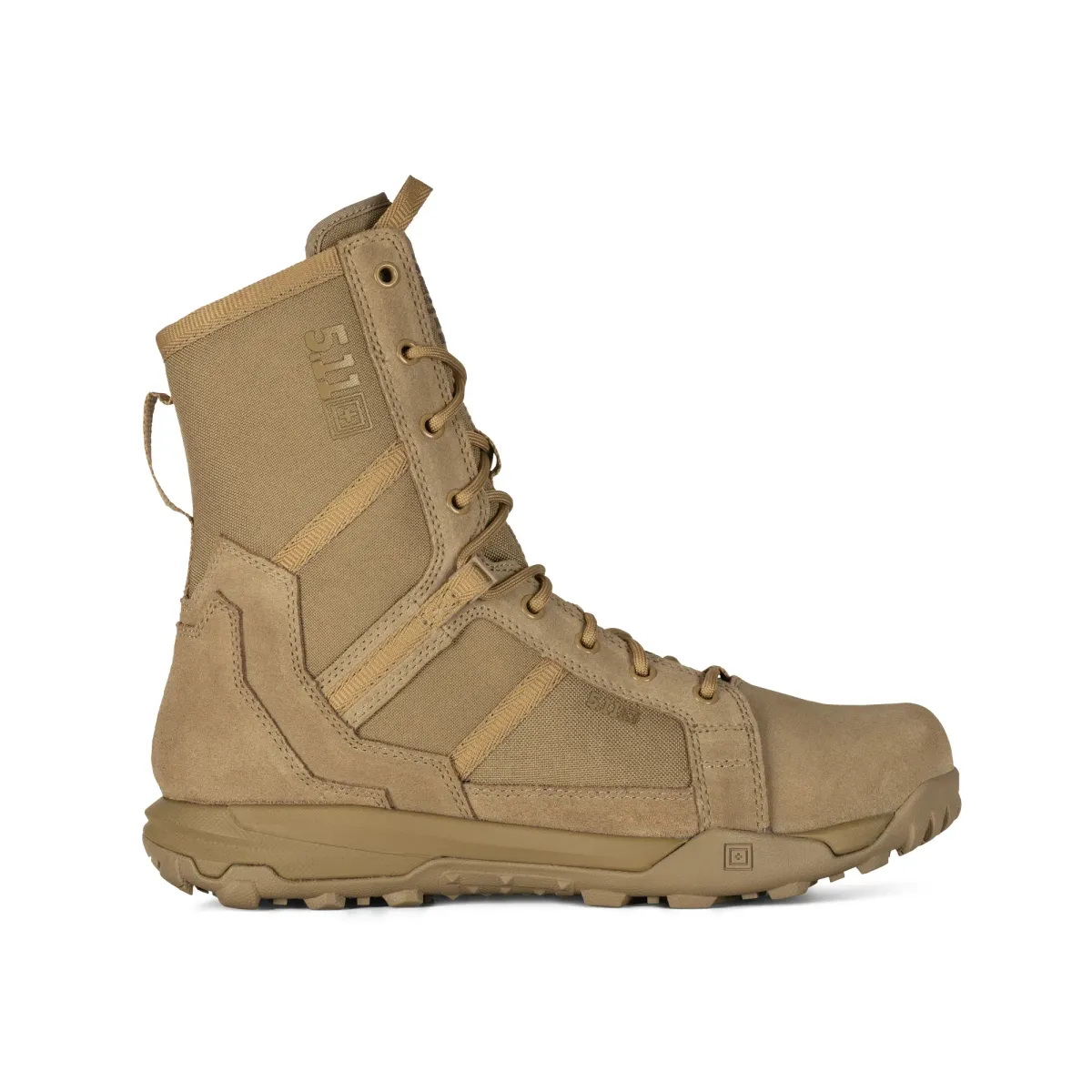
Run through this list before you zip the pack shut, and if your footwear still needs sorting, see our guide on how to choose tactical boots.
- Water: minimum 2 litres directly accessible
- First aid: kit on an external pouch
- Navigation: compass and map, phone as backup only
- Communication: batteries fully charged
- Rations for 24 hours plus 12-hour reserve
- Lighting: primary and backup
- Clothing: one extra layer in a dry bag
Packs like the 5.11 RUSH® 100 Backpack 60L are designed for exactly this organisational system, with compartment layout and MOLLE webbing optimised for tactical fieldwork from the ground up.
Related articles
Published 10 Mar 2026 · 7 min read
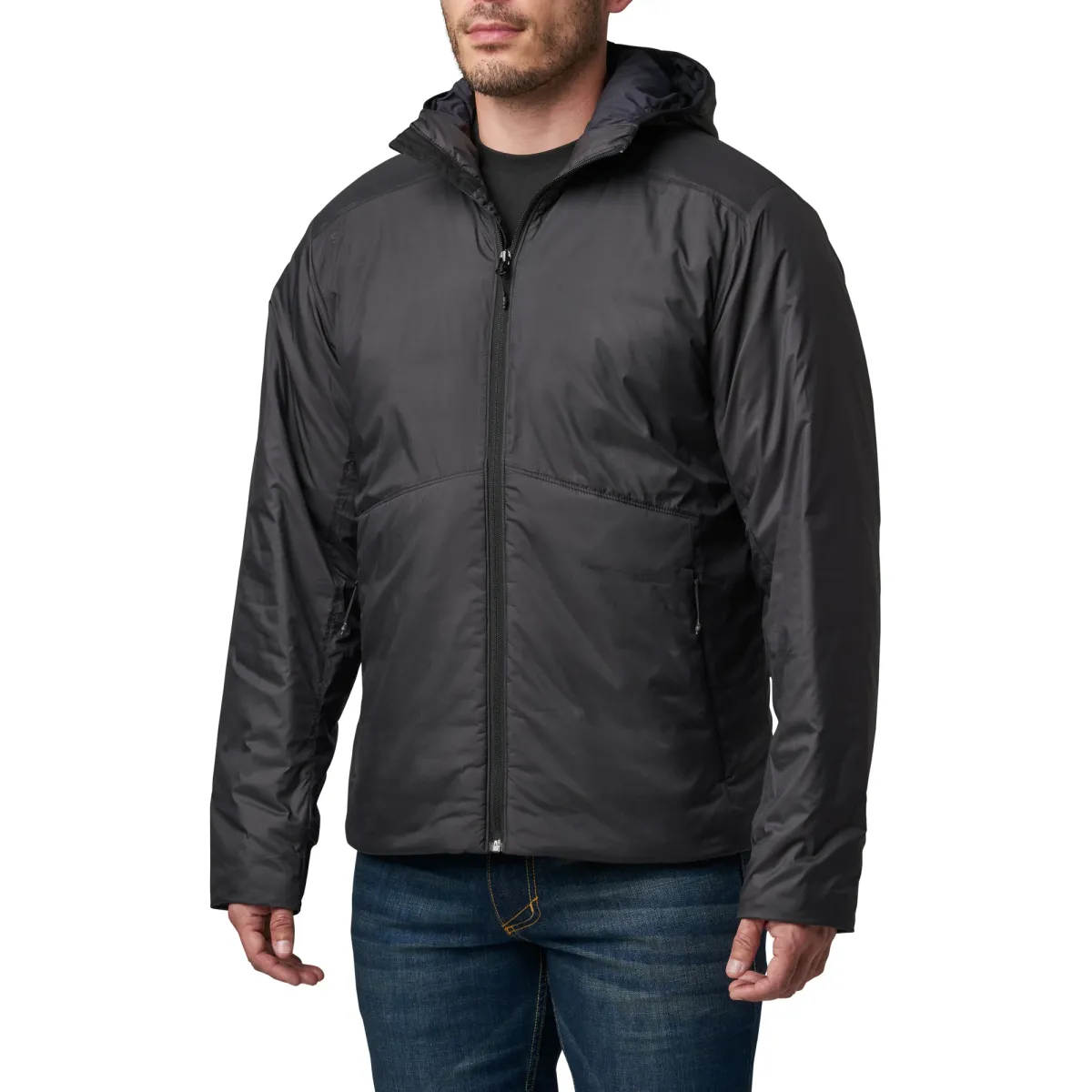
Layering for Cold Weather Conditions
Master the three-layer system for cold weather operations: a moisture-wicking base, an insulating mid layer, and a wind- and rain-blocking outer shell — with concrete recommendations for tactical use.
Published 14 Feb 2026 · 6 min read
How to Choose Tactical Boots
A complete guide to choosing tactical boots: ankle support, waterproofing membranes, Vibram outsoles, lacing systems, upper materials, and top model recommendations from AKU and 5.11 Tactical.