

Layering for Cold Weather Conditions
PAMPERO · Published 10 Mar 2026 · 7 min read
Layering for Cold Weather Conditions
Proper layering is the foundation of survival and effective performance in cold weather environments. Military operators, mountaineers, and hunters who master the three-layer principle can remain functional at below-zero temperatures for hours. Those who dress incorrectly risk hypothermia within the same window.
Core Logic: The Three Layers
The three-layer system works by zoning moisture and heat:
- Base layer (moisture management): wicks sweat away from the skin
- Mid layer (insulation): traps warmth
- Outer layer (protection): blocks wind, rain, and snow
Each layer must function independently and in combination with the others.
Base Layer
Never cotton. Cotton absorbs moisture and pulls heat from your body. Instead, choose:
- Merino wool (150-260 g/m²): natural, odor-resistant, and thermoregulating
- Synthetic (polypropylene, polyester): dries faster than merino, less expensive, excellent for high-output activities
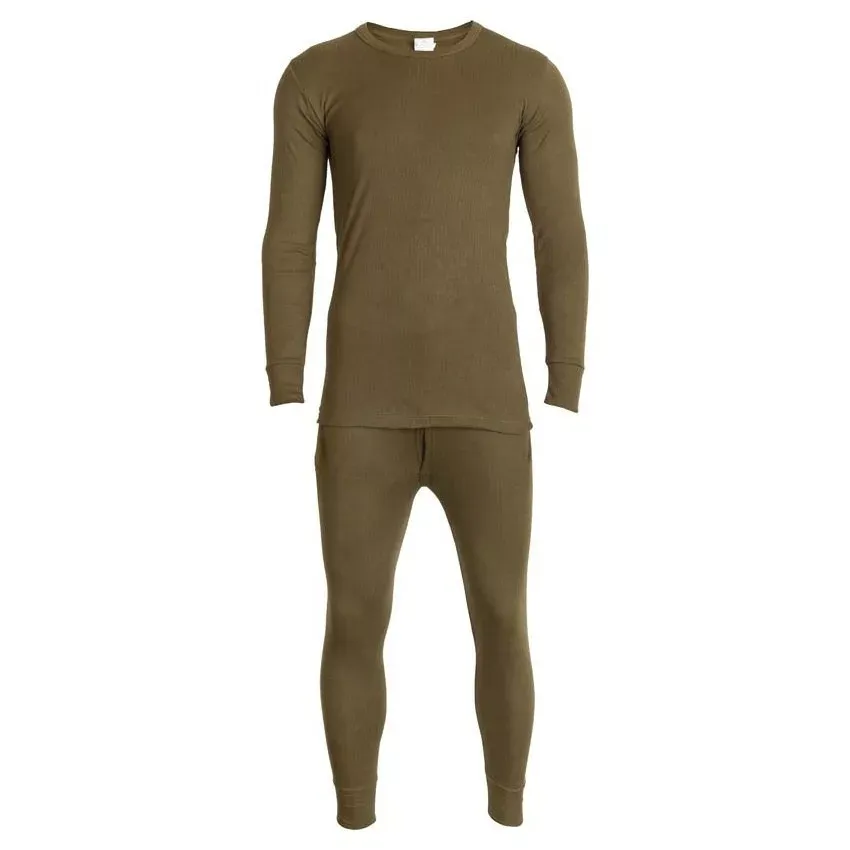
For serious cold weather, use 200-260 g/m² merino wool in a fitted long-sleeve shirt and tights, such as the M-Tramp Molino thermal base layer set, or browse the full base layer range to compare weights.
Mid Layer
The insulation layer is the most important for warmth retention:
- Fleece jacket (Polartec 100, 200, or 300): grid patterning delivers exceptional warmth-to-weight ratio. Polartec 200 is the gold standard for moderate cold (0° to -10°C); Polartec 300 covers extreme conditions.
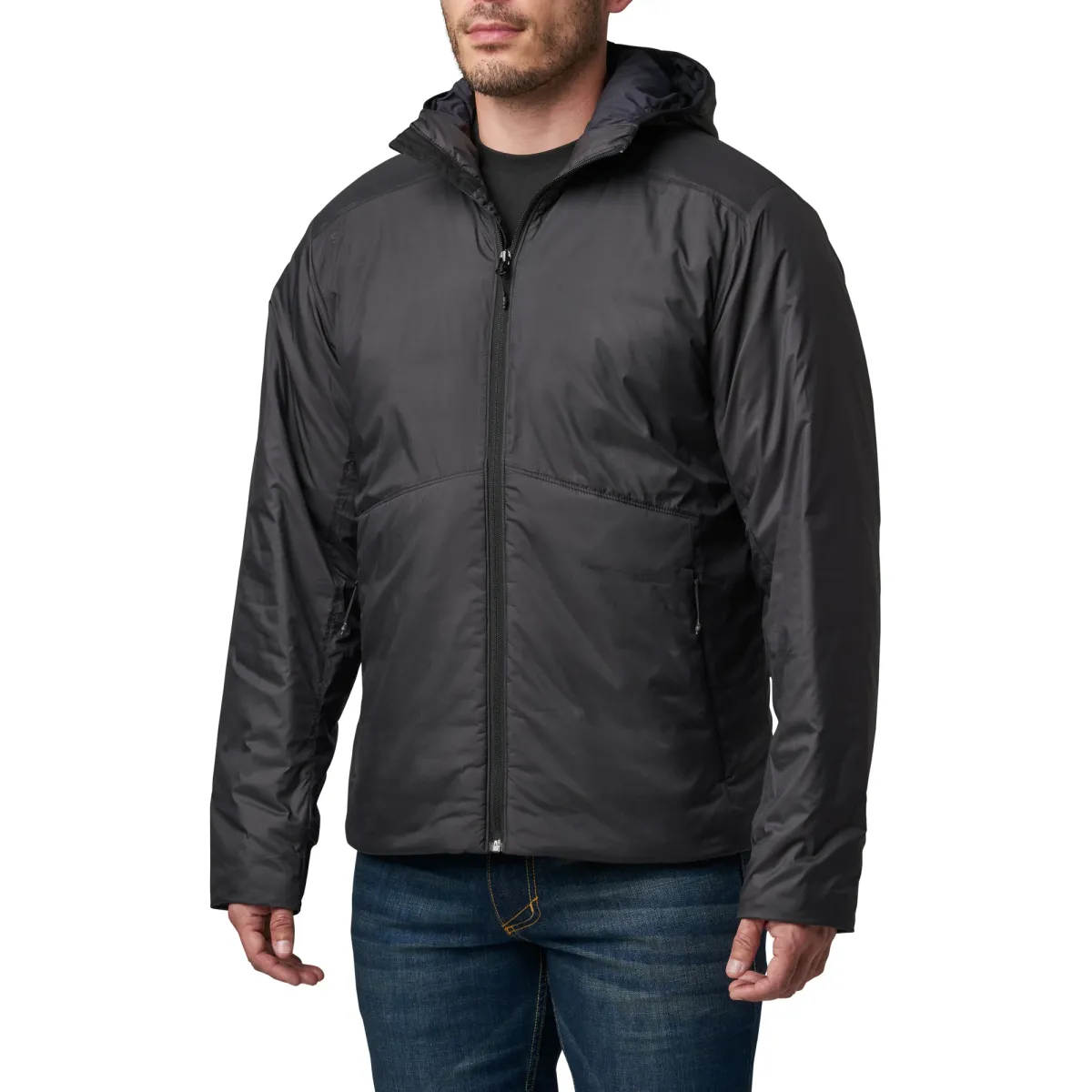
- Synthetic fill (PrimaLoft, Thinsulate): retains insulative properties when wet, dries fast. The 5.11 Adventure PrimaLoft Insulated Jacket is a good example, ideal for environments with frequent precipitation.
- Down (goose, duck): maximum warmth per gram of weight, but useless when wet. Reserve for dry cold conditions only.
Outer Layer
Membranes (Gore-Tex, eVent, Pertex Shield): the outer layer must block wind and rain while allowing interior moisture to escape (breathability).
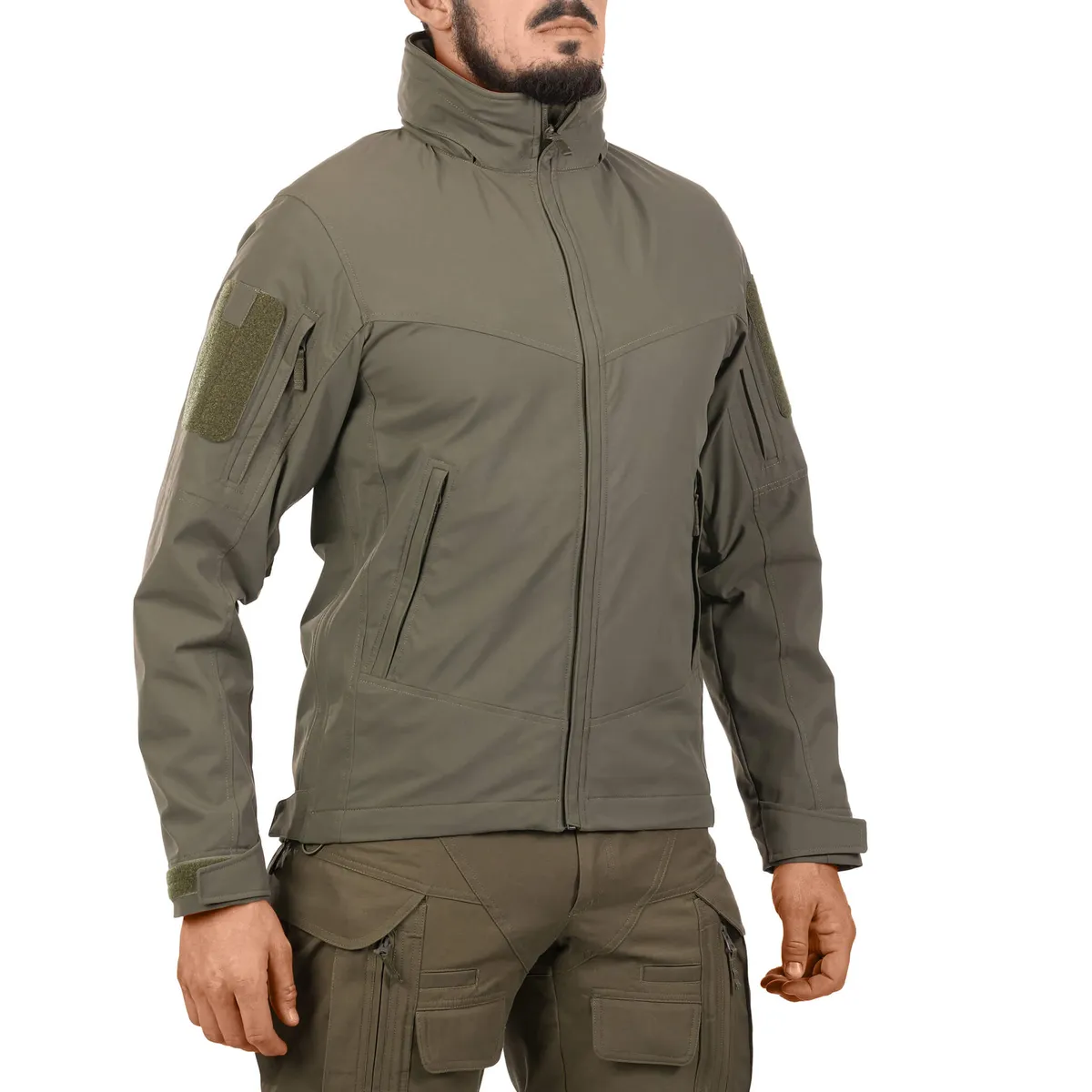
Military standards call for a minimum 10,000 mm hydrostatic head and 10,000 g/m²/24h moisture vapour transmission. Jackets like the UF PRO Delta Eagle or the 5.11 Responder Parka meet these thresholds while accommodating plate carriers and tactical rigs.
Practical Application
Static work (guard duty, observation): add your insulation layer because the body loses heat rapidly without movement.
Dynamic work (patrolling, climbing): remove the mid layer to prevent overheating. Wet clothing plus wind equals hypothermia.
The transition between active and passive phases is the most dangerous moment. Always carry a dry mid layer in your pack, organized the way our tactical backpack loadout guide recommends.
Additional Elements
- Hat and balaclava: 30-40% of heat loss occurs through the head and neck
- Gloves: layer these too, with thin liner gloves under waterproof over-mitts
- Thermal socks: merino wool 200 g/m² or purpose-built SmartWool, Darn Tough models, worn under boots sized as described in our guide to choosing tactical boots
Common Mistakes
Over-dressing leads to sweating, which saturates the base layer. Sweat does not dry quickly enough during static phases. The paradox: a heavily dressed operator can be colder than one with fewer, drier layers.
The rule: it is better to feel slightly cold while moving than to be soaked with sweat in the first ten minutes.
Investing in quality tactical layers is not a luxury. It is fundamental safety equipment for any outdoor mission in winter months.
Related articles
Published 5 Apr 2026 · 6 min read
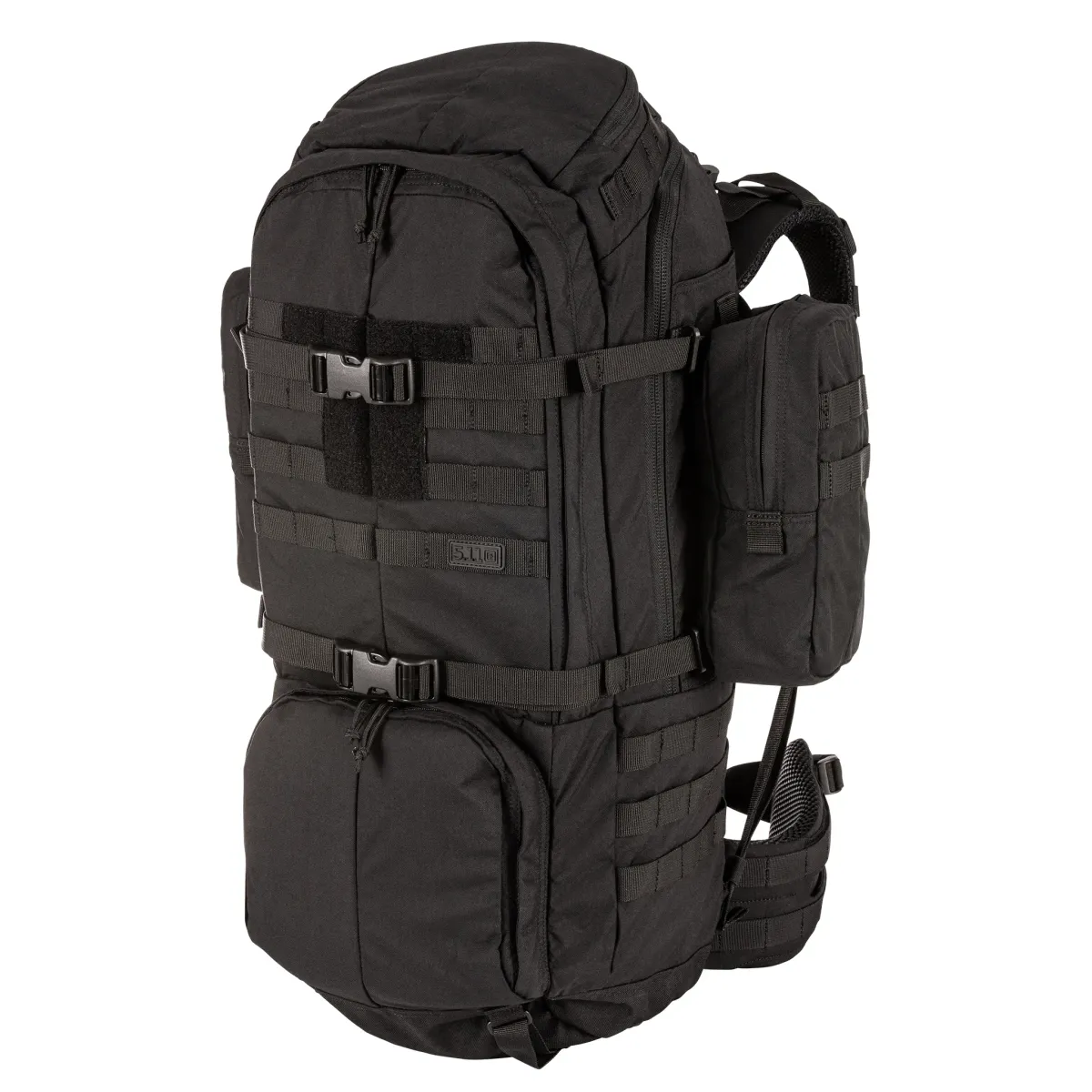
Tactical Backpack Loadout Guide
Kit organisation principles for the tactical backpack: the three-zone weight system, MOLLE attachment rules, weight budgeting, waterproofing, and a field-ready pre-departure checklist.
Published 14 Feb 2026 · 6 min read
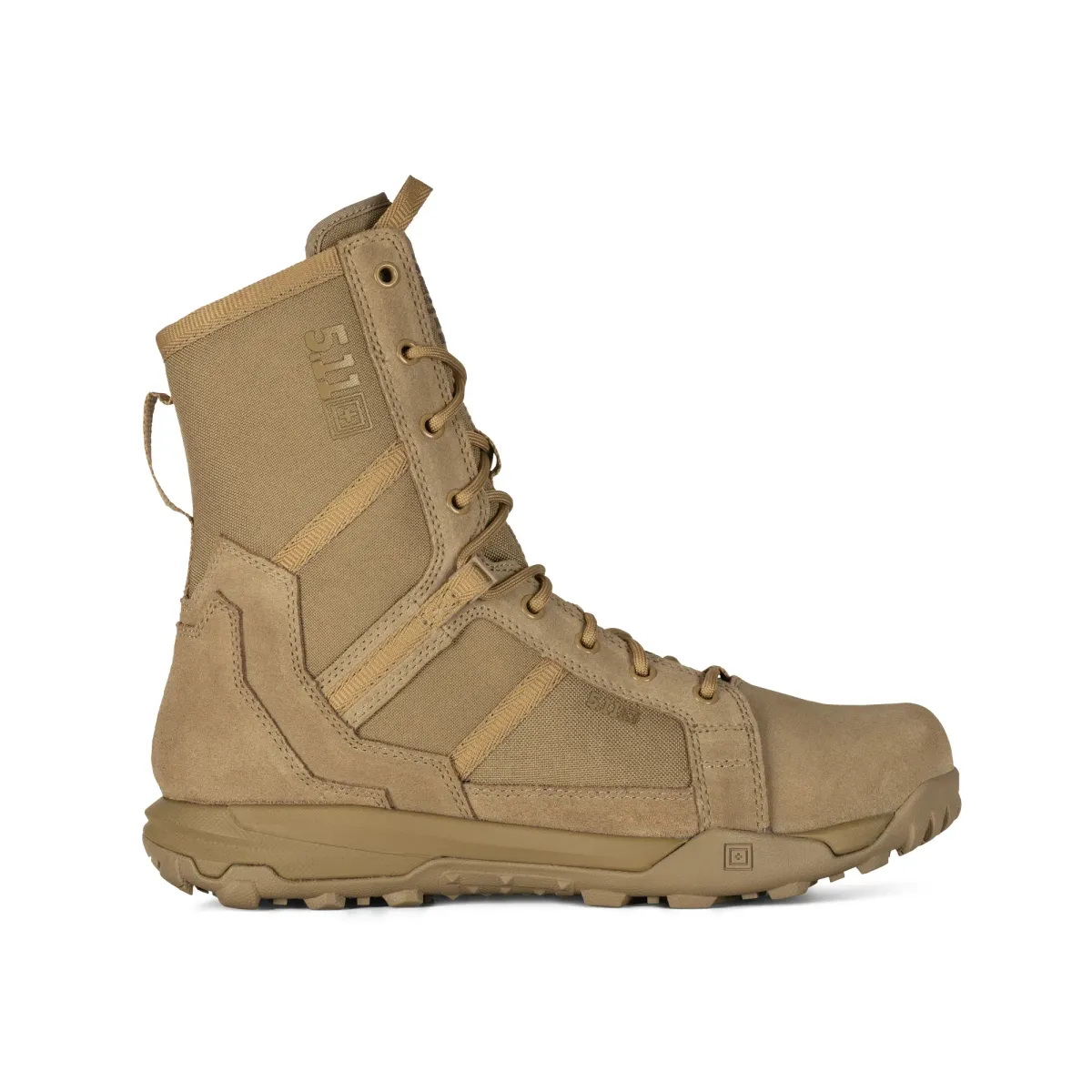
How to Choose Tactical Boots
A complete guide to choosing tactical boots: ankle support, waterproofing membranes, Vibram outsoles, lacing systems, upper materials, and top model recommendations from AKU and 5.11 Tactical.